Uskladiti Izborni zakon BiH PDF Print E-mail
There are no translations available.

10. mart 2010.

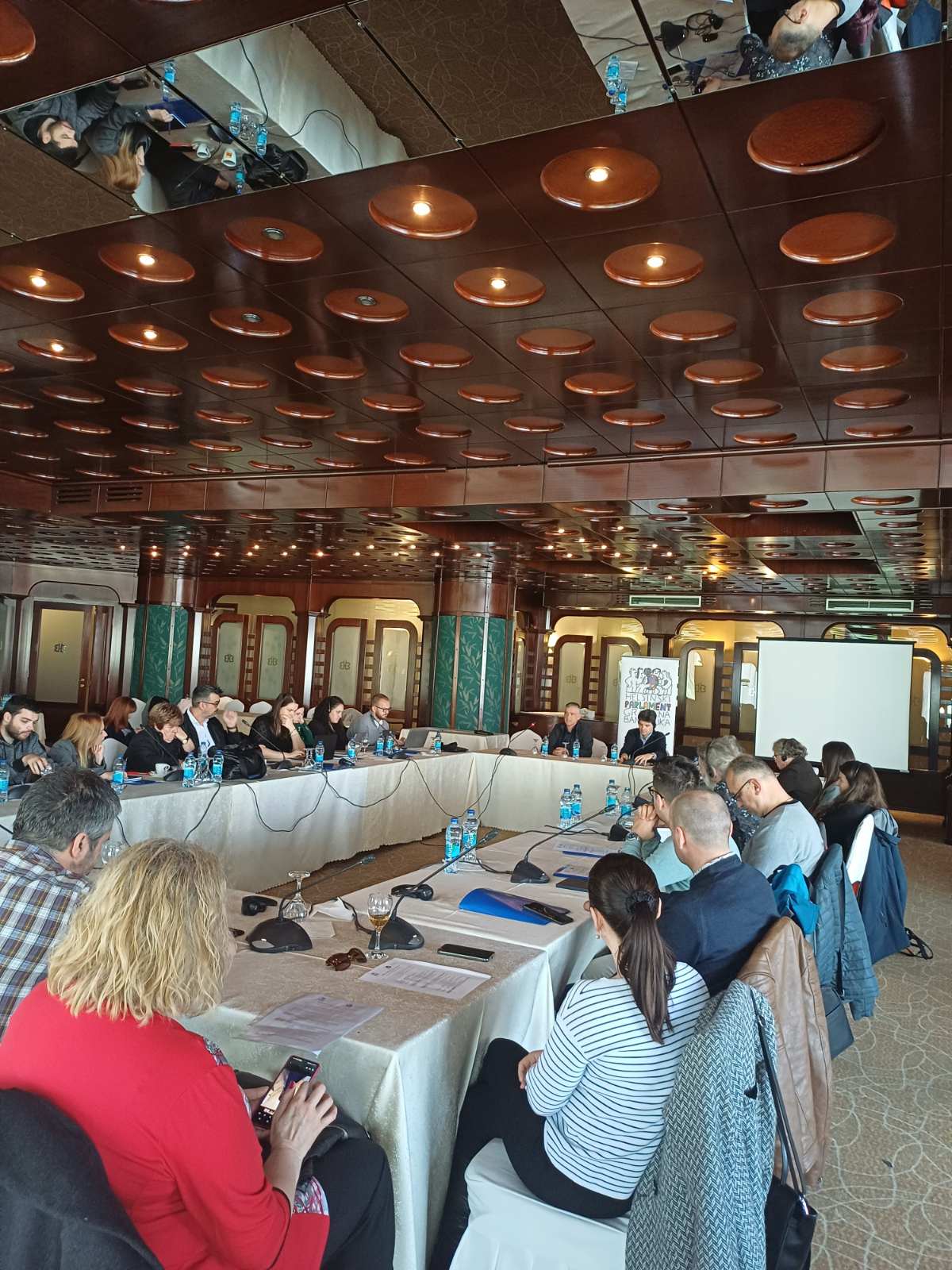
Povodom najavljenih izmjena i dopuna Izbornog zakona Bosne i Hercegovine, koje će se danas naći pred poslanicima i poslanicama Parlamentarne skupštine Bosne i Hercegovine, nevladine organizacije Udružene žene Banja Luka i Helsinški parlament građana Banja Luka uputile su zahtjev za usklađivanjem Izbornog zakona BiH sa Zakonom o izmjenama i dopunama Zakona o ravnopravnosti polova BiH, kako bi se  obezbijedila zastupljenost od 40% jednog od polova na izbornim listama.

Pročitaj više

 
“Equal Rights, Equal Opportunities – Progress for All” PDF Print E-mail

8 March 2010 – EQUAL RIGHTS, EQUAL OPPORTUNITIES – PROGRESS FOR ALL

8martBanjaluka, 4 March 2010

Participants of the public debate, named after the slogan “Equal Rights, Equal Opportunities – Progress for All”, under which the 8 March – International Women’s Day is celebrated on the global level, will send the request to for the legislators to respect the quota of the minimum of 40% of women’s presence at the electoral lists in the final version of changes and amendments of the BiH Electoral Law.

The introductory speaker of the debate Natalija Petrić, MA in Gender Studies, point out that this request was in accordance to the Gender Equality Law in BiH and recently adopted Resolution of Council of Europe's Parliamentary Assembly that has been dealing with the increase of women participation in politics. “However, the Inter-Resource Working Group has not respected this request when they were developing drafts of changes and amendments of BiH Electoral Law”, pointed out Natalija Petric.

The possibility of holding a peaceful protest was announced in case that this request is not adopted when the final version of this act is considered by BiH Parliamentary Assembly.

“I think that we could go out on the streets in protest. If women could have done it in 1908, I do not see any reason why could not we“, said the introductory speaker, and she pointed out that women today enjoy the rights for which their predecessors had fought for, and that they should continue with this fight for the generations to come.

The public debate was organised by Helsinki Citizens' Assembly and United Women Banja Luka with financial support from Swedish organisation Kvinna till Kvinna.

B.M.

 
Initiated Changes and Amendments to RS Family Law PDF Print E-mail

selman23 February 2010

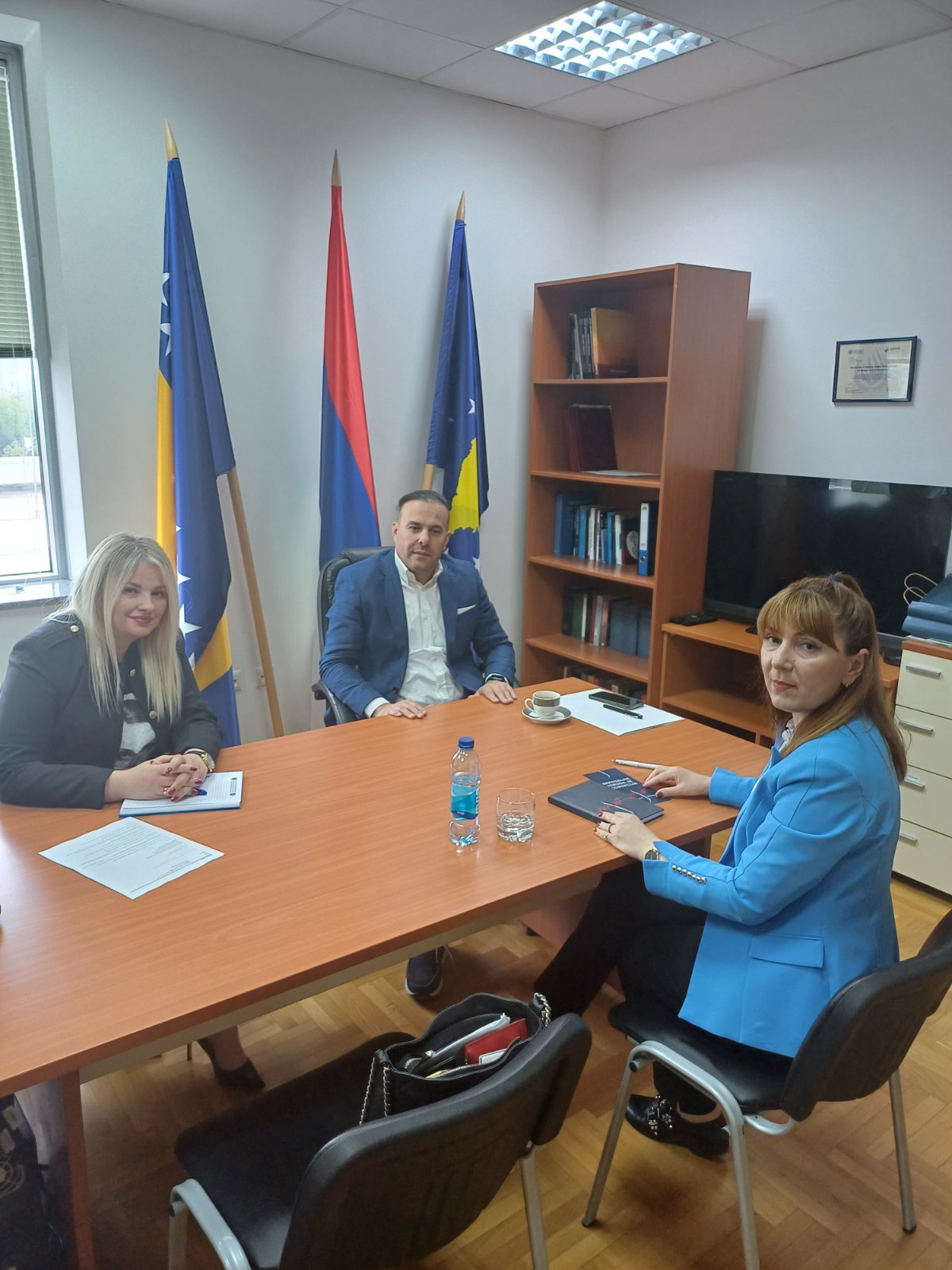
On the initiative of hCa Banja Luka, RS Ombudsman for Children and humanitarian organization “Partner”, the RS Ministry of Justice decided today to form a Working Group that is going to have the task to prepare the changes and amendments to the text of the RS Family Law and to submit it to the Parliamentary procedure.

This was agreed today at the meeting held between the RS Minister of Justice Džerald Selman, his deputy Nikola Kovačević, hCa representative Tanja Slijepac, RS Ombudsman for Children Nada Grahovac, and Olivera Mastikosa from NGO “Partner”.

hCa has started the initiative for changing and amending the RS Family Law based on the analysis that was conducted about the status of socially endangered categories, which also included self-supporting parents, the population that is additionally constrained to improve their status as this term is not recognized by the law.

Minister Selman pointed out that all the suggestions presented by the participants of the meeting were the refection of realistic needs of the citizens, and he concluded that we must not postpone the changes of the Family Law any longer.

The initiative has been started within the project “Integration and Social Inclusion towards Active Citizenship”, which has been implemented by the Human Rights Bureau Tuzla and hCa Banja Luka with the support of European Union.

 
Charles English in hCa PDF Print E-mail
23 February 2010
US Ambassador to BiH Charles English visited today hCa Banja Luka, where he talked with the activists of the organization about the current projects and plans for the following period.
Lidija Živanović, the Executive Director of hCa and Dragana Dardić, the Programme Director, informed the  Ambassador about the history and operations of the organization, and they added that the organization will continue to monitor the process of enforcement of the European Court for Human Right’s decision to request the change of discriminatory provisions of BiH Constitution that prevents members of national minorities to be elected as the members of BiH Presidency and House of Peoples of BiH Parliament, as well as the process of implementation of Amendments to Gender Equality Law in BiH.
Talking about the possible amendments to the BiH Electoral Law, Mrs. Živanović pointed out that hCa supports the remaining of open lists, as the “introduction of the closed lists would enable manipulation with potential candidates.”
Ambassador English pointed out that some countries opt for closed lists, and some for open list, and that this issue should be resolved by politicians and the citizens of BiH.
inglish23 February 2010
US Ambassador to BiH Charles English visited today hCa Banja Luka, where he talked with the activists of the organization about the current projects and plans for the following period.
Lidija Živanović, the Executive Director of hCa and Dragana Dardić, the Programme Director, informed the  Ambassador about the history and operations of the organization, and they added that the organization will continue to monitor the process of enforcement of the European Court for Human Right’s decision to request the change of discriminatory provisions of BiH Constitution that prevents members of national minorities to be elected as the members of BiH Presidency and House of Peoples of BiH Parliament, as well as the process of implementation of Amendments to Gender Equality Law in BiH.
Talking about the possible amendments to the BiH Electoral Law, Mrs. Živanović pointed out that hCa supports the remaining of open lists, as the “introduction of the closed lists would enable manipulation with potential candidates.”
Ambassador English pointed out that some countries opt for closed lists, and some for open list, and that this issue should be resolved by politicians and the citizens of BiH.
 
Juvenile Delinquents in Media Reporting PDF Print E-mail

d128 January 2010

The new cycle of “Breakfast with Journalists” session has started with the media reporting on juvenile delinquency, i.e. the most frequent mistakes when reporting about this sensitive social category. This session was organized on 28 January 2010, in Banja Luka, with the Dragan Uletilovic, the judge of the Basic Court in Banja Luka, and expert within the Coordination Body for implementation of BiH Juvenile Delinquency Strategy, as the introductory speaker.

At the beginning of the session, Uletilovic presented all relevant documents that a journalist has to follow when reporting on children and minors. Besides BiH Press Code and UN Convention on Children Rights, he also made comments about the Criminal Codes of RS and BiH, which also regulate the criminal liability of journalists and editors in cases of violations of the articles of this Law that are treating the secrecy of the procedure. The most frequent violations of the Criminal Code are: exposing the identity of a minor, directly or indirectly stating the name and last name, exposing the address, school, family, or other data based on which the person in question could be recognized.

Uletilovic also stated that the number of felonies executed by minors is increasing. He added that there is also increase in felonies that contain elements of violence, using explosion devices, and using drugs. The number of “recidivists”, i.e. minors that repeat criminal offences after the sentenced served is also on the rise.

Uletilovic concluded that when the media report about this vulnerable category, especially in case of serious criminal offences, they should avoid “sensationalism” and heating up the atmosphere, and they have to report in a way to calm the situation and to strictly use the language of facts.

This activity is the part of X-Press project financed by the EU. 

 
<< Start < Prev 1 2 3 4 5 6 7 8 9 Next > End >>

Page 1 of 9

Location

Info pult

Međunarodni dan žena


Jutros, prije polaska na posao, čestitala sam 8. mart svim svojim ženama – baki, majci, sestri i dvjema svojim kćerkama. I gledajući njih dvije, prošlo mi je kroz glavu šta ih sve u životu čeka. Jer biti žena danas je nešto bolje nego što je to bilo prije 50 ili 100 godina, ali i dalje biti žena i nositi i živjeti svoju ženskost znači puno truda, rada, odricanja, pa i poniženja u svijetu u kojem dominiraju muškarci.
Ove godine obilježava se 100-godišnjica od organizovanja Konferencije u Kopenhagenu na kojoj je jednoglasno usvojen prijedlog socijalistkinje Klare Cetkin da se jedan dan u godini posveti ženama i borbi za ženska ljudska prava. 8. mart nije izabran slučajno – izabran je u znak sjećanja na žene, tekstilne radnice, koje su 8. marta 1857. godine. organizovale demonstracije u Njujorku tražeći bolje uslove rada i veće plate.
Ideje za koje su se tada zalagale Klara Cetkin i njene kolegice širom svijeta aktuelne su i danas: pravo na jednake plate za isti posao, pravo na organizovanje u sindikate, pravo na ustanove za brigu o djeci, i naravno pravo glasa bez uslovljavanja imovinskim ili nekim drugim statusom (u nekim državama žene još uvijek nemaju pravo glasa na izborima, npr. u Saudijskoj Arabiji).
U svjetlu ovih zahtjeva, a naročito zahtjeva za jednakim platama za isti posao, pitamo se kakav je položaj žena u BiH danas? Da li imaju iste plate za isti posao koji obavljaju i muškarci? Da li su radna prava ista za sve?
Zakonski da, ali norme su jedno, a praksa nešto sasvim drugo. Svi dostupni podaci i izvještaji ukazuju na nezadovoljavajući položaj žena na tržištu rada u BiH. U naročito nepovoljnom položaju su žene preko 40 godina starosti koje su ostale bez posla i koje zbog godina više nisu „poželjne“ i teško mogu da se zaposle, zatim trudnice i porodilje koje se često, i prije isteka zakonski propisanog porodiljskog odsustva, pozivaju da se vrate na posao, te samohrane majke.
Ono što je posebno uznemiravajuće sa stanovišta radnih prava je podatak da žene u Bosni i Hercegovini zarađuju manje za iste poslove koje obavljaju i muškarci. Naime, Agencija za ravnopravnost polova BiH objavila je u publikaciji „Gender jaz u bosanskohercegovačkim prihodima“ podatke koji kažu da najveći broj žena u BiH zarađuje od 200 do 400 KM mjesešno, dok najveći broj muškaraca zarađuje od 300 do 500 KM, te da muškarci procentualno dominiraju u višim platnim razredima dok žene dominiraju nad muškarcima jedino u dva najniže plaćena platna razreda.
Nadalje, u Agenciji su izračunali da zaposlene žene u Bosni i Hercegovini mjesečno dobiju 11 miliona maraka manje od svojih muških zaposlenih kolega! Na godišnjem nivou to bio iznosilo više od 130 miliona maraka!
Da, moj radni kolega bio je u pravu kada je rekao da mi danas slavimo i/ili obilježavamo „samu ideju o ravnopravnosti polova“. Drugarica Lana je na to dobacila: „U pravu si, to je još uvijek samo ideja“. Ali, nisu li ideje mijenjale svjetove?!

D. D.